

Dr. Gregory Holste is an assistant professor of population health sciences in the Division of Health Informatics and Artificial Intelligence. He joins Weill Cornell Medicine following the completion of his PhD in electrical and computer engineering at The University of Texas at Austin.
How did you first become involved in your field?
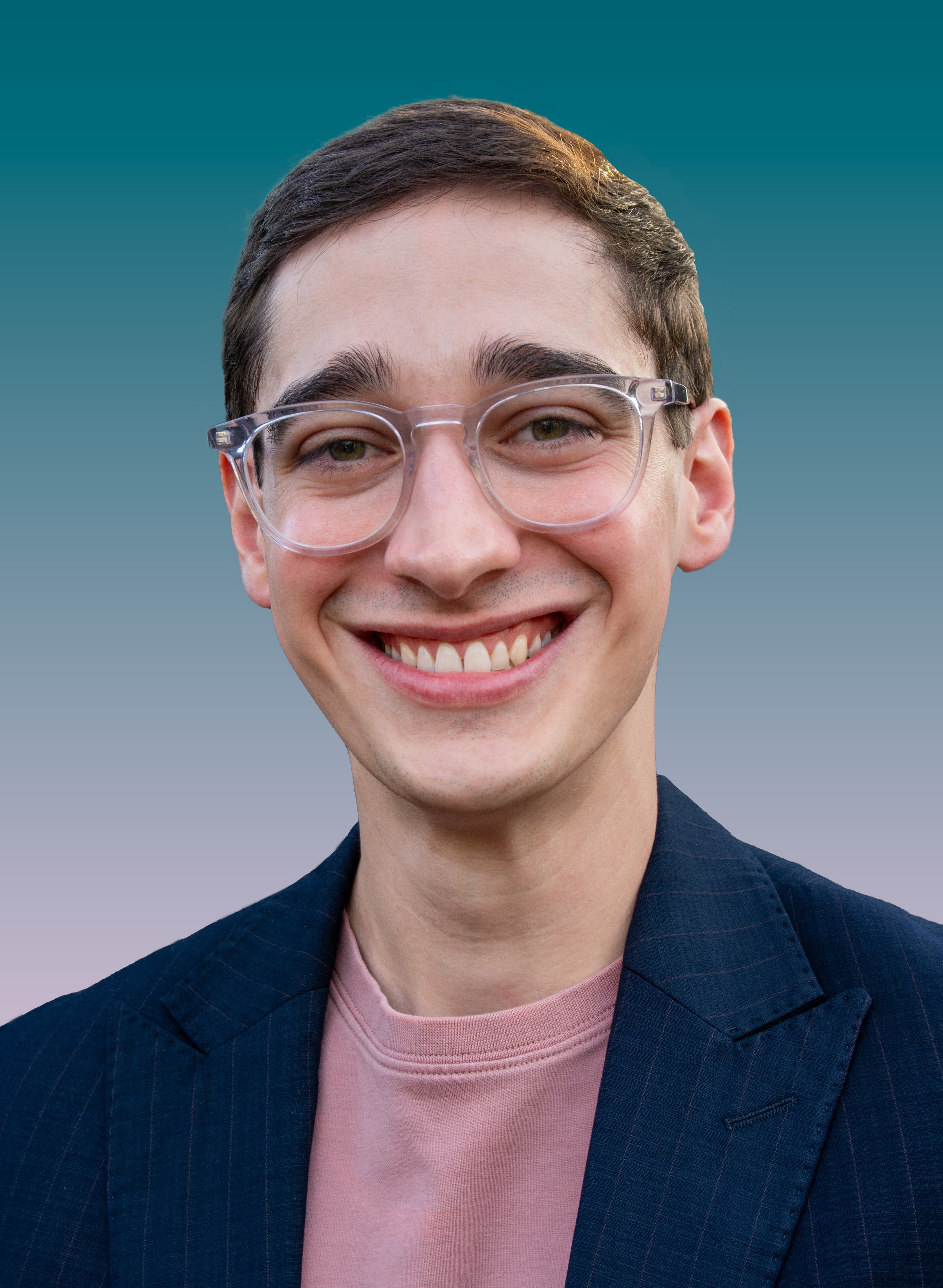
Dr. Gregory Holste
I started my undergraduate degree on the pre-med track. However, in my introductory biology lab, I quickly learned that I was not built for the wet lab sessions and instead came alive during data analysis. I began applying computational tools to solve scientific problems, first in biology, and then in medicine. Once I trained my first neural network to identify pneumonia from chest X-rays, I was hooked—it felt like magic.
The liberal arts school I attended encouraged interdisciplinary thinking but lacked any computer science or engineering departments, so I looked outward for research opportunities. Fortunately, I found the U.S. National Science Foundation Research Experience for Undergraduates and spent a summer applying deep learning methods to chest X-ray segmentation. From that point on, my path was set.
What expertise do you bring to this role?
My research draws upon both my technical background and ability to lead meaningful clinical collaborations. I received my graduate training in deep learning and computer vision, with an emphasis on applications of artificial intelligence (AI) to medical imaging and clinical decision support. Though my training is technical, communicating across disciplines is an ethos and skill I’ve honed since the start of my career. I have led large, multi-institutional research efforts with researchers and clinicians across many areas of medicine, including cardiology, radiology, ophthalmology, and more. Interdisciplinary collaboration is a key driver of my work, and my goal is to be a translator across technical and clinical languages.
What brings you to Weill Cornell Medicine?
I am beyond excited to join the Department of Population Health Sciences, and specifically the Division of Health Informatics and Artificial Intelligence (HIAI), led by Dr. Fei Wang, associate dean of AI. The Division of HIAI is the ideal setting for my research, placing technical experts in close proximity to clinicians and fostering an environment that encourages cross-disciplinary collaboration. WCM also provides a rare combination of excellent computational resources and a wealth of clinical partners to facilitate my work on AI-enabled clinical decision-making.
In addition to joining PHS, I hold secondary appointments in the Department of Radiology and the Department of Cardiology, which will enable me to pursue a broad range of imaging-based collaborations. I am grateful to Dr. Wang, Dr. Mert Sabuncu, vice chair of AI and engineering research in radiology, and Dr. Jonathan Weinsaft, chief of the Greenberg Division of Cardiology, for collaborating across departments to bring me on board. I have the utmost confidence that the leadership here is invested in my success.
Are there any trends or issues you are currently following in your field?
We have seen incredible progress in AI-assisted diagnosis and treatment planning based on medical imaging, electronic health records, and more. I’m increasingly interested in how these tools actually impact patient care once embedded in a clinical workflow. We see this through the commercialization of certain software products, but rarely through careful and open scientific study. At this phase, we can use carefully designed trials to determine what role AI should play in a clinical workflow, or whether an AI-augmented workflow accelerates standard care or improves patient outcomes. I look forward to working with clinical stakeholders to study the deployment and integration of AI tools into practice.
- Highlights