

Dr. Kan Chen is an assistant professor of population health sciences in the Division of Biostatistics. He joins Weill Cornell Medicine following postdoctoral training at Columbia University and the Harvard T.H. Chan School of Public Health.
How did you first become involved in your field?
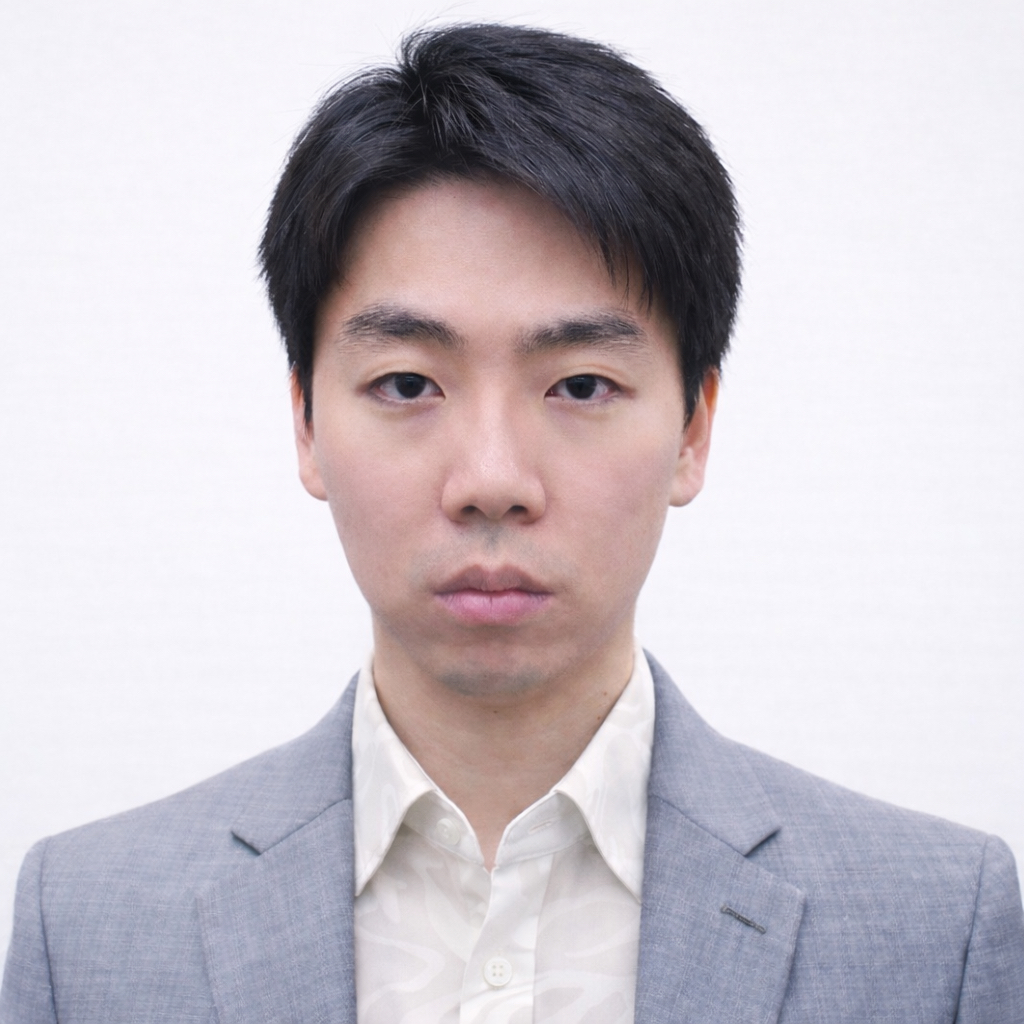
Dr. Kan Chen
I became interested in biostatistics during my training in statistics and applied mathematics, when I was drawn to the challenge of using quantitative methods to answer complex real-world questions. During my doctoral and postdoctoral training, I became further interested in causal inference and machine learning, and how these methods can help address questions that cannot always be answered through randomized trials. As I collaborated with clinicians and biomedical researchers, I knew I wanted to develop rigorous statistical and artificial intelligence (AI) methods that are both methodologically innovative and practically useful in health research.
What expertise do you bring to this role?
My expertise lies at the intersection of biostatistics, causal inference, machine learning, and AI. My methodological research focuses on developing rigorous approaches for causal inference with complex observational and real-world data, including methods for unmeasured confounding, heterogeneous treatment effects, data integration, and high-dimensional biomedical data. I also have extensive experience collaborating with clinical and biomedical investigators, translating scientific questions into statistical problems, and applying advanced methods to electronic health records, clinical studies, and large-scale biomedical datasets. I hope to bring together methodological innovation and interdisciplinary collaboration to develop tools that can improve biomedical research and clinical decision-making.
What brings you to Weill Cornell Medicine?
Weill Cornell Medicine offers an exceptional environment for conducting interdisciplinary research. I was particularly attracted by the opportunity to work with clinicians, biomedical scientists, and quantitative researchers across WCM and the broader community at Cornell University. I am excited to establish my independent research here, particularly at the intersection of causal inference and AI, while developing methods that are motivated by and can have a meaningful impact on real-world clinical and biomedical research.
Are there any trends or issues you are currently following in your field?
I am particularly interested in the rapid convergence of causal inference and AI. AI has created tremendous opportunities to learn from increasingly complex biomedical data, but important challenges remain around causality, uncertainty, robustness, interpretability, and generalizability. I am especially interested in how we can move beyond prediction toward AI systems that can support reliable scientific discovery and clinical decision-making. For example, we can estimate how treatments may affect individual patients, integrate multiple sources of biomedical data, and quantify uncertainty in AI-generated conclusions. I see the development of rigorous and trustworthy AI for biomedical research as one of the most exciting directions for biostatistics.
- Highlights