

Dr. Oana Zeleznik is an associate professor of population health sciences in the Division of Epidemiology. She joins Weill Cornell Medicine from Brigham and Women's Hospital and Harvard Medical School, where she was an epidemiologist and assistant professor of medicine.
How did you first become involved in your field?
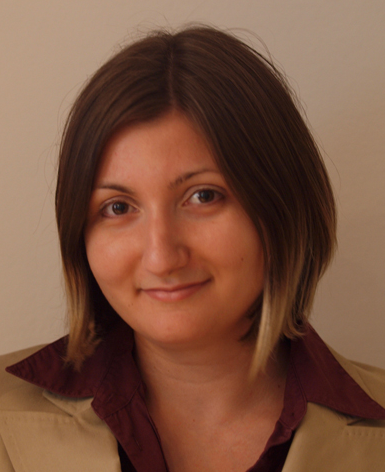
Dr. Oana Zeleznik
During my PhD program, I interned with the Dana-Farber Cancer Institute in Boston, Massachusetts. It was my first time working on ovarian cancer, and it opened my eyes to how computational approaches could meaningfully contribute to understanding cancer biology. After completing my PhD in bioinformatics at the Graz University of Technology, I began my postdoctoral training in molecular cancer epidemiology in the Channing Division of Network Medicine at Brigham and Women’s Hospital and Harvard Medical School. There, I led metabolomics studies to better understand the mechanisms of disease and identify novel biomarkers for earlier detection of ovarian cancer. Metabolomics, which refers to the small molecules that are the end products of metabolic processes such as sugars, fats, and amino acids, has been a powerful tool in research and holds promise for precision medicine approaches. These experiences solidified my commitment to using integrative, multi-omic approaches to advance cancer prevention and early detection.
What expertise do you bring to this role?
My background blends bioinformatics, biostatistics, and machine learning knowledge with experience working in large prospective cohort studies and biobanks. Furthermore, my work has centered on the analysis and integration of multi-omics data, including metabolomics, proteomics, transcriptomics, and epigenomics to uncover molecular pathways and identify biomarkers relevant to cancer risk, early detection, and prevention.
I’ve previously led and collaborated on projects that require harmonizing complex datasets, building analytic pipelines, and applying advanced computational approaches to generate biologically meaningful insights. This combination of methodological and domain expertise allows me to contribute to collaborative, data-driven cancer research.
What brings you to Weill Cornell Medicine?
Weill Cornell Medicine’s commitment to excellence in patient care, scientific discovery, and global collaboration aligns closely with my long-term goals in cancer prevention and early detection. Given my background, I was drawn to the Department of Population Health Sciences, which offers a rigorous environment where my work in integrative omics and computational epidemiology can thrive. More specifically, the Division of Epidemiology provides a home for my multidisciplinary research on the causes and prevention of disease.
I’m also excited about contributing to the Cancer Prevention and Control Program at the Sandra and Edward Meyer Cancer Center. The program’s emphasis on identifying molecular, lifestyle, and social determinants of cancer risk while reducing inequities across the cancer care continuum resonates deeply with my vision for integrative, community-engaged approaches to cancer prevention.
Are there any trends or issues you are currently following in your field?
I’m currently interested in using emerging foundation model approaches, such as large language models, to integrate multi-omics and epidemiologic data. These models offer powerful new ways to harmonize complex datasets, identify cross-omic relationships, and generate biologically meaningful hypotheses at scale. I’m particularly curious about how they can support more efficient integration of metabolomics, proteomics, transcriptomics, and epigenomics with detailed epidemiologic data from large cohorts and biobanks. These approaches have real potential to accelerate the discovery of novel risk factors, strengthen early detection strategies, and make population-level insights more actionable.
- Highlights